

Print Tonight: Anti Inflammatory Diet PDF with Ready Shopping List
The fastest way to start eating for lower inflammation is the eBook Warehouse anti-inflammatory PDF guide, which packs food lists, sample meal plans, and printable shopping lists into one downloadable file. You get the framework in minutes instead of piecing one together from a dozen blog posts. Download it, print the grocery list page, and you can shop for anti-inflammatory groceries by this weekend.
TL;DR:
- The anti-inflammatory PDF guide provides practical meal plans, shopping lists, and recipes designed specifically for easy kitchen use, not just educational content.
- Key foods to include are colorful vegetables and fruits, whole grains, legumes, oily fish, nuts, seeds, olive oil, and herbs like turmeric and garlic, aligned with the Mediterranean pattern.
- Foods to limit are sugary drinks, refined carbs, processed meats, and hydrogenated fats, with simple swaps suggested like sparkling water, whole grain bread, and grilled chicken.
- Expect symptom improvements around six to twelve weeks on a Mediterranean-style diet, with early signs such as better energy and sleep occurring before weight changes.
- Prioritize consistent habit-building, like batch-cooking and using printable templates, over trying to memorize specific ingredients for long-term adherence.
Table of Contents
- Where to Download Quality Anti-Inflammatory Diet PDFs
- Anti-Inflammatory Foods to Add to Your Grocery List
- Foods That Increase Inflammation (and What to Swap Instead)
- What a Sample Day and Multi-Week Plan Look Like
- How to Actually Use the PDF Once You’ve Downloaded It
- How Long Until You Actually Feel Different?
- Why Trust This Guide and Where the Science Comes From
- The Overrated Part of Anti-Inflammatory Eating (and What Actually Matters)
- Get the Ready-to-Print Anti-Inflammatory PDF Today
- Sources
Where to Download Quality Anti-Inflammatory Diet PDFs
Not every free PDF floating around online earns a spot on your kitchen counter. Some are glorified ad pages with a food list bolted on; others come from actual clinical nutrition departments. Knowing the difference saves you from printing something useless.
The eBook Warehouse anti-inflammatory PDF guide sits at the top of the list for a practical reason: it’s built for actual meal planning, not just education. You get printable meal plan pages, a shopping list you can check off in the aisle, and recipes formatted for a kitchen counter, not a screen. That’s the difference between reading about inflammation and actually eating differently by Tuesday.
For readers who want to cross-reference free clinical material, three sources stand out:
- UCSF Osher Center’s nutrition guidance covers the Mediterranean diet’s role in rheumatic disease management, with an evidence summary useful for understanding why the pattern works.
- The VA’s patient education PDF offers a printable plate method and meal-planning template built for people managing chronic inflammatory conditions day to day.
- Cleveland Clinic’s inflammation overview works well as a quick-reference leaflet, especially for understanding when symptoms warrant a doctor’s visit rather than a diet tweak.
Most of these PDFs run under 5MB and open fine on a phone, but printing works better from a desktop or tablet where you can preview page breaks. If a shopping list splits awkwardly across two pages, save it as a photo instead of printing it. That one habit saves more paper than anything else in your bag of grocery-run tricks.
Anti-Inflammatory Foods to Add to Your Grocery List
The food list is the backbone of any anti-inflammatory diet PDF, and it’s worth understanding why these categories show up again and again. Diets built around whole grains, plant-based proteins, healthy fats, and a wide range of produce are consistently linked to lower inflammation over time, with the Mediterranean pattern serving as the most studied example.
Here’s what that looks like on a grocery list:
- Colorful vegetables and fruits: spinach, kale, bell peppers, blueberries, cherries. Aim for a different color on your plate at most meals.
- Whole grains: quinoa, steel-cut oats, brown rice, farro. Swap these in wherever a recipe calls for white rice or white bread.
- Legumes: lentils, chickpeas, black beans. Cheap, filling, and easy to toss into a salad or soup.
- Oily fish: salmon, sardines, mackerel. Including oily fish twice a week is a realistic target, not a daily requirement.
- Nuts and seeds: walnuts, flaxseed, chia seeds. Great as a snack or blended into a morning smoothie.
- Olive oil: the primary fat in most Mediterranean-style meal plans, used for cooking and dressing alike.
- Herbs and spices: turmeric, ginger, garlic. Small additions, but they show up in nearly every anti-inflammatory recipe for a reason.
Harvard’s Nutrition Source points to this same combination, heavy on vegetables, fruit, olive oil, whole grains, and beans, as one of the better-studied patterns for cardiometabolic health, which overlaps heavily with inflammation control.
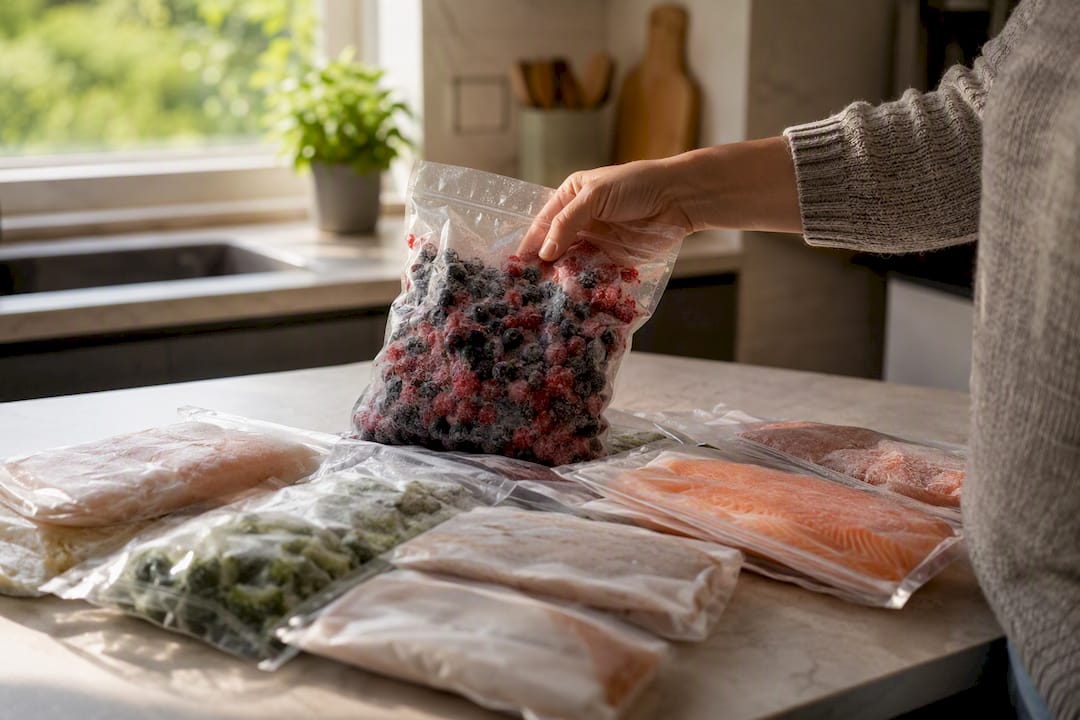
Pro Tip: Buy frozen berries and frozen fish in bulk. They retain nearly the same nutrient profile as fresh, cost less, and never go bad before you use them, which solves the biggest reason people abandon a food list after week two.
Foods That Increase Inflammation (and What to Swap Instead)
The flip side of any anti-inflammatory diet PDF is the foods-to-limit page, and it matters just as much as the foods-to-add list. Ultra-processed foods, sugary drinks, refined carbs, processed meats, and hydrogenated fats are the usual suspects behind pro-inflammatory eating patterns, largely because of their high glycemic load, saturated and trans fat content, and heavy use of additives.
Sugary beverages spike blood sugar fast, which triggers an inflammatory response that repeats with every can of soda. Processed meats like bacon and deli slices carry preservatives and saturated fats tied to the same pattern. Refined carbs, think white bread and most packaged snacks, digest so quickly they behave almost like sugar once they hit your bloodstream.
None of that means never eating a hot dog again. It means marking your PDF grocery list with realistic swaps:
- Soda or juice → sparkling water with a splash of real fruit
- White bread → whole grain or sourdough
- Deli meat → grilled chicken or canned salmon
- Chips → roasted chickpeas or a handful of walnuts
- Butter for cooking → olive oil
Small substitutions compound faster than most people expect, especially once they’re baked into a shopping list you actually follow.
What a Sample Day and Multi-Week Plan Look Like
A single day on an anti-inflammatory meal plan usually looks less restrictive than people assume. Here’s a compact example:
- Breakfast: Greek yogurt with blueberries, walnuts, and a drizzle of honey.
- Lunch: Quinoa salad with chickpeas, spinach, cherry tomatoes, and an olive oil vinaigrette.
- Snack: An apple with almond butter.
- Dinner: Baked salmon with roasted vegetables and a side of brown rice.
That’s one printable page in most PDF templates, portion cues included.
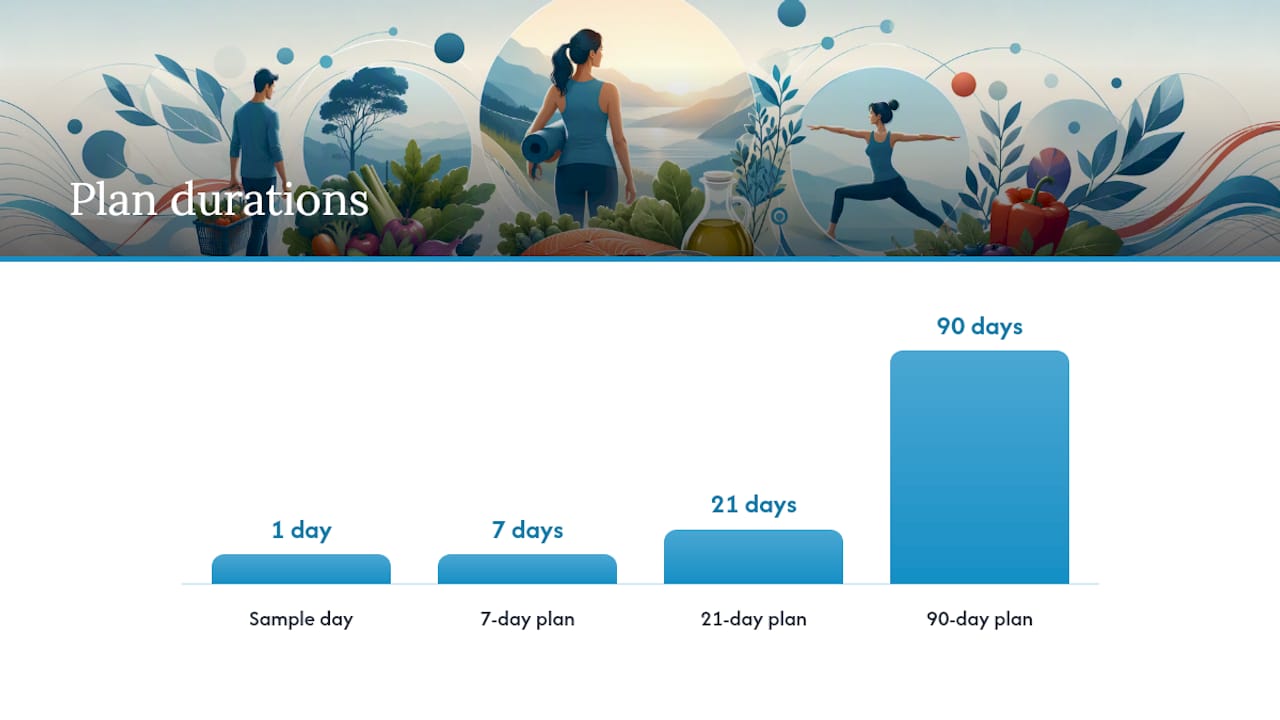
Multi-week plans build on that single-day template rather than reinventing it daily. A 7-day plan usually rotates five or six core proteins and a dozen vegetables through different combinations, so you’re not eating the exact same meal twice but you’re also not buying forty different ingredients. A 21-day plan adds variety and starts layering in habit-building, things like batch-cooking grains on Sunday or keeping a running shopping list. A 90-day plan, the kind found in more complete downloadable guides, often includes a reintroduction phase for anyone testing whether specific foods (dairy, gluten, nightshades) are personally triggering symptoms.
Printable inclusions across these plans typically follow the same pattern: a weekly shopping list, a prep checklist for Sunday batch cooking, and recipe cards sized to tape inside a cabinet door.
How to Actually Use the PDF Once You’ve Downloaded It
Downloading the PDF is the easy part. Using it consistently is where most people fall off, usually within two weeks. A few habits fix that.
- Print only the pages you’ll actually reference, the shopping list and this week’s meal grid, instead of the entire guide.
- Take a photo of your meal-week page and keep it as your phone’s lock screen or a pinned note for the week.
- Batch-cook grains and proteins on one day so weeknight meals take ten minutes, not forty.
- For dietary restrictions, swap the protein or grain column: quinoa or rice instead of couscous for gluten-free, and beans or tofu instead of fish for vegetarian versions.
Printable meal planning templates tend to get followed more consistently than digital-only guides, mostly because a page taped to the fridge is harder to ignore than an app notification you swipe away.
Pro Tip: Keep a pen clipped to your printed shopping list. Crossing off items as you shop, rather than checking boxes on your phone, takes half the time at checkout and keeps your hands free for actual groceries.
How Long Until You Actually Feel Different?
There’s no single switch that flips. Inflammation responds to diet gradually, and most of the credible research reflects that timeline rather than promising overnight results.
Randomized trials testing Mediterranean-style diets in people with rheumatoid arthritis found measurable symptom improvement around 6 to 12 weeks into the dietary intervention, compared to control groups eating their usual diet. That’s the honest range to expect, not days, not years.
What you can track in the meantime: energy levels, joint stiffness, digestion, and sleep quality tend to shift before the scale does. If you’re working with a doctor on inflammatory markers through bloodwork, Cleveland Clinic recommends discussing testing timelines directly with your provider rather than guessing based on symptoms alone.
Your starting point matters too. Someone eating mostly processed food beforehand will likely notice changes faster than someone already eating reasonably well. Medications, existing inflammatory conditions, and how much weight (if any) you lose along the way all factor into how quickly the needle moves.
Why Trust This Guide and Where the Science Comes From
This guide draws on institutional nutrition sources rather than diet trends: UCSF’s Osher Center, the VA’s patient nutrition department, Harvard’s Nutrition Source, and Cleveland Clinic’s patient education materials. Each backs a specific claim in this article rather than serving as general window dressing.
Stephen, who covers nutrition and wellness content for Ebook-warehouse, put this guide together to bridge the gap between clinical PDFs (accurate but dense) and the printable, usable format readers actually need in their kitchen. Ebook-warehouse’s own catalog, including Mediterranean diet ebooks and meal-prep guides, gives instant download access across devices, so the resource works whether you’re at a desktop building your week or standing in a grocery aisle on your phone.
The Overrated Part of Anti-Inflammatory Eating (and What Actually Matters)
Most anti-inflammatory diet content oversells the exotic ingredient and undersells the boring habit. Turmeric gets treated like a miracle spice in half the PDFs online, when the actual evidence points toward the overall pattern, more produce, more whole grains, less processed food, mattering far more than any single “superfood.”
The conventional advice also tends to ignore how people actually fail at these diets. It’s rarely because they didn’t know kale was healthy. It’s because they didn’t have a shopping list, didn’t meal prep, and defaulted back to takeout by Wednesday. That’s a logistics problem, not a knowledge problem, and it’s exactly what a printable PDF with a shopping list and a prep checklist is designed to solve.
If you’re starting today, prioritize the shopping list and one batch-cooking session over memorizing which spice fights inflammation best. Consistency over three months beats a perfect grocery haul you never repeat. Building sustainable eating habits matters more than any single ingredient swap, and that’s the piece most quick-fix diet content skips entirely.
— Stephen
Get the Ready-to-Print Anti-Inflammatory PDF Today
Skipping the research phase entirely, the eBook Warehouse anti-inflammatory PDF guide hands you the food lists, multi-week meal templates, shopping lists, and recipes in one instant download, no waiting for a clinic appointment or piecing together five different free leaflets.

The PDF opens on any device — phone, tablet, or desktop — and you can print the specific pages you need instead of the whole file. Recipes are formatted for kitchen use, with ingredient lists that translate directly onto a shopping list you can check off in the store. If you’re also stocking up on broader meal-prep resources, the meal prep ebook collection pairs well with the anti-inflammatory templates for weeks when you want more variety.
Purchase once, download instantly, and start printing your first week’s shopping list tonight.
Sources
- UCSF Osher Center — Mediterranean diet and rheumatic disease nutrition guidance
- VA Nutrition — Anti-Inflammatory Meal Planning: Plan Your Plate (PDF)
- Harvard T.H. Chan School of Public Health — Mediterranean diet review
- Cleveland Clinic — Inflammation: symptoms and management
This article is general information, not a substitute for advice from a qualified doctor. Consult a qualified healthcare professional about your own circumstances before acting on anything here.