

Apply Within a Week: eBook Warehouse Content Writing Ebooks
The best content-writing ebook for most readers just starting out is eBook Warehouse’s E-Book Entrepreneur, paired with The Blogging Marketing Workbook for anyone who wants hands-on templates instead of theory. Beginners should start there; freelancers wanting a system for daily writing work should add the SEO-focused instructional titles from the same collection. Each pick solves a different problem, so the right one depends on whether you need structure, exercises, or strategy.
TL;DR:
- Beginners should focus on structured workbooks like eBook Warehouse’s E-Book Entrepreneur and The Blogging Marketing Workbook, which prioritize practice and systems over theory.
- Practical titles with templates and exercises are more effective for skill development than broad, theory-heavy guides, especially when they include quick-to-complete activities.
- Verify that the ebook’s learning objectives are clear, that the format fits your learning style, and that the author has credible experience before purchasing.
- PDF is recommended for instructional ebooks to preserve formatting of checklists and templates, and multi-device access is standard with instant download options.
- Set specific, measurable goals when using an ebook to ensure practical application instead of just passive reading.
Table of Contents
- Curated Picks: Content-Writing Ebooks That Actually Deliver
- How to Choose a Great Content-Writing Ebook
- How to Actually Learn From a Content-Writing Ebook
- File Formats, Devices, and What to Check at Checkout
- Why We Curated These Picks
- Shop Content-Writing Ebooks at eBook Warehouse
- Sources
Curated Picks: Content-Writing Ebooks That Actually Deliver
Not every content-writing ebook earns a spot on a shortlist. The ones worth your money teach a repeatable process, give you something to practice on, and don’t just repackage blog posts you could find for free. Structured, sequential material beats scattered free content precisely because it forces you to follow a system instead of jumping between tabs, which is one reason ebooks outperform fragmented articles for skill building.
Here’s how eBook Warehouse’s picks break down by reader type.
For beginners who need a foundation:
- E-Book Entrepreneur walks through the mindset and mechanics of building writing income from scratch, aimed at readers with zero background in publishing or freelance work.
- Standout element: it treats content creation as a business skill, not just a writing skill, so you learn pricing and positioning alongside craft.
- Sample use case: someone quitting a day job to freelance can use it to map out their first three months of client outreach.
For practicing writers who want repetition, not lectures:
- The Blogging Marketing Workbook is built around exercises rather than long-form explanation, which fits the “learning system” model that instructional design experts recommend: templates, exercises, and a clear path to practice instead of passive reading.
- Standout element: the workbook format means you’re filling in blanks and drafting real posts as you go, not just nodding along.
- Sample use case: a blogger stuck in a content rut can run through one exercise per sitting and come out with three drafted headlines instead of theory notes.
For marketers who need to separate strategy from execution:
- Content writing and content marketing are not the same discipline. Writing is the creation layer; marketing is how that content gets used strategically, and understanding that split helps you pick the right book instead of buying a strategy guide when you needed a writing manual.
- eBook Warehouse’s SEO-focused instructional content, detailed in the SEO writing framework post, fits this need if your goal is AI SEO strategies that drive real visibility rather than general marketing theory.
For freelancers building a sustainable practice:
- Readers hunting specifically for freelance-oriented material should check the curated list in The Best Freelancing Ebooks, which pairs practical picks with reading suggestions tailored to independent writers managing multiple clients.
How to Choose a Great Content-Writing Ebook
Most people buy a content-writing ebook based on the cover and a flashy subtitle. That’s backwards. Work through this checklist before you spend a dollar.
- Check the learning objectives. A good ebook states upfront what skill you’ll have after finishing it. If the description is vague (“boost your writing”), that’s a warning sign.
- Match the format to your learning style. Workbooks with fill-in exercises suit people who learn by doing. Narrative guides suit people who prefer to absorb a philosophy first and apply it later.
- Look for practical elements. Templates, worked examples, and short exercises separate a genuinely instructional ebook from a padded blog post. Instructional design guidance suggests exercises completable in 15 to 30 minutes with a checklist at the end of each chapter speed up real application.
- Verify author credibility. Does the author show evidence of doing the work they’re teaching, not just describing it secondhand?
- Read the license and refund terms. Know whether you’re buying a personal-use file or something with broader rights, and whether a refund is available if the content doesn’t match the description.
- Confirm the file format before checkout. PDF, EPUB, or both, matters for how and where you’ll actually read it.
Pro Tip: Skim the table of contents before buying. If you can’t tell what you’ll be able to DO differently after each chapter, the book is probably theory-heavy and light on application.
How to Actually Learn From a Content-Writing Ebook
Buying the ebook is the easy part. Turning it into better writing takes a deliberate process, not passive scrolling.
Start by outlining each chapter in your own words before you read the author’s summary. Then annotate as you go. Highlighting and annotating early is what turns a static ebook into a searchable knowledge base you can reference for years instead of a one-time read.
- Rewrite a sample piece from the book using your own topic, then compare it against the original example.
- Run two or three headline variations from any headline framework the book teaches, and note which one you’d actually publish.
- Pull every template into a working document so you’re not flipping back to the ebook every time you write.
- Tag your annotations by skill (structure, hooks, SEO, editing) so they’re searchable later.
Pro Tip: Set a measurable outcome before you start. “Write one blog post using this book’s outline method” beats “read the whole thing” every time.
File Formats, Devices, and What to Check at Checkout
PDF is the standard for instructional ebooks because layout, templates, and worked examples stay fixed no matter what device opens the file. EPUB works better for long, text-heavy narrative books you’ll reread on a phone or e-reader, since it reflows to fit the screen. Most content-writing ebooks favor PDF specifically because tables, checklists, and exercise sheets need to hold their shape, a formatting principle design-focused ebook guides also stress for readability.
Every eBook Warehouse purchase comes with multi-device access, so a file bought on a laptop opens the same way on a tablet or phone with no separate license needed per device. Before you check out anywhere, confirm:
- The file type matches what your device or reading app supports.
- The license covers personal use versus resale or classroom use.
- You’ll receive an instant download link rather than a delayed email.
- A refund policy exists in case the file is corrupted or misdescribed.
For a deeper breakdown of file types and delivery, see how to buy the right ebook file every time.
Why We Curated These Picks
We built this list from a simple filter: does the book teach a skill you can apply within a week, not just concepts you’ll forget by Friday? Readers kept telling us they wanted fewer 300-page manifestos and more workbooks they could open, use, and close with a finished draft. That’s why practical titles like The Blogging Marketing Workbook rank above books that only explain theory. If you’ve read one of these and have a question about applying it, browse the full ebook collection or reach out directly.
— Stephen
Shop Content-Writing Ebooks at eBook Warehouse
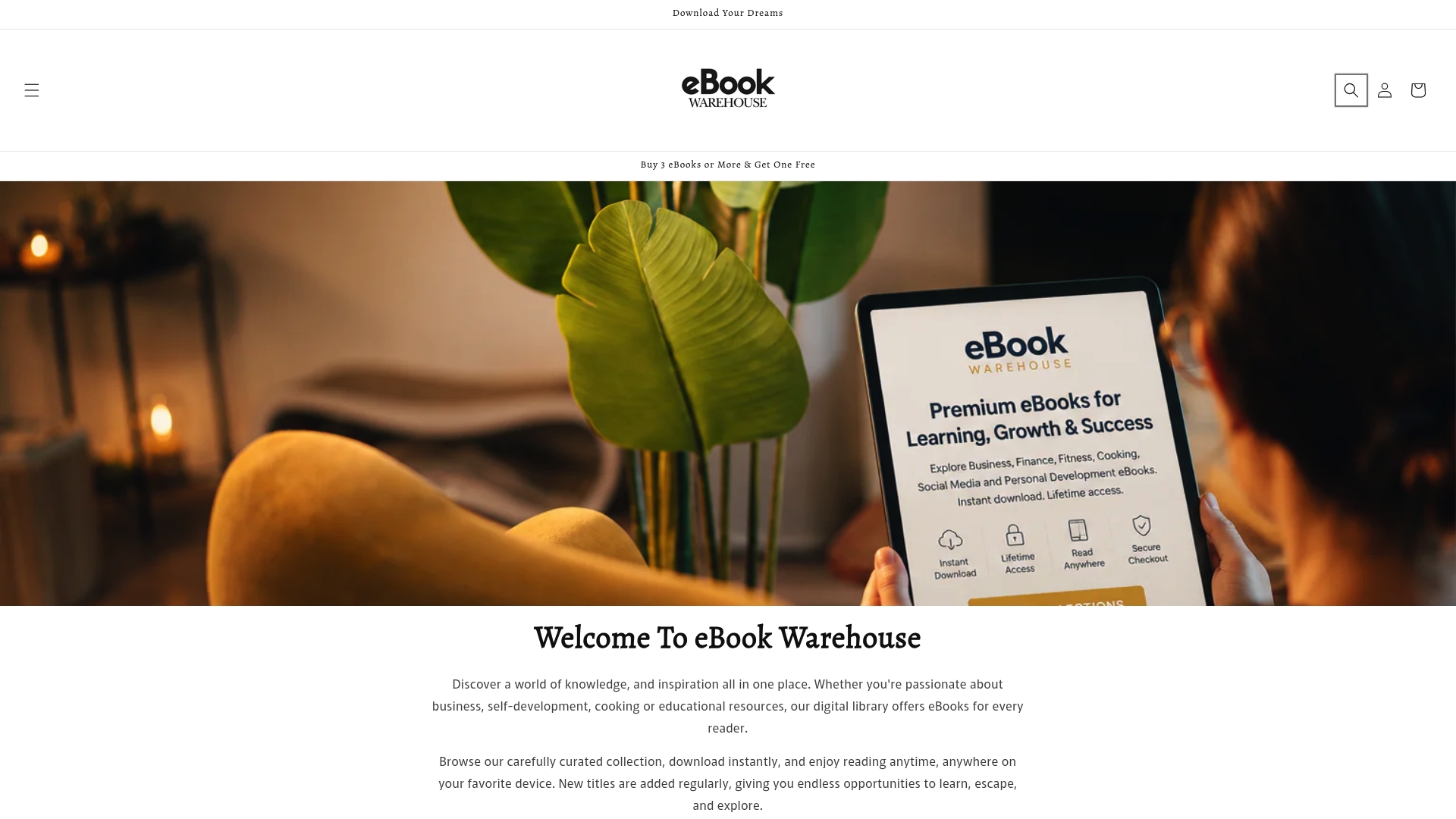
Every title mentioned here downloads instantly and reads the same across your phone, tablet, and laptop, no separate purchase per device. That means you can start the E-Book Entrepreneur on your lunch break and finish a chapter on your couch that night without losing your annotations or restarting the file.
Ready to build a real content-writing skill set instead of collecting bookmarks? Start with these:
- E-Book Entrepreneur for readers starting a freelance or self-publishing income from scratch.
- The Blogging Marketing Workbook for writers who want exercises over explanation.
- Business Growth Bundle for marketers who need writing paired with broader business strategy.
- LinkedIn Business Essentials for professionals writing for a specific platform audience.
Watch for occasional buy-three-get-one-free promotions across the catalog, and if none of these match exactly what you need, the full storefront lets you filter by topic and skill level.