

Download 7 Day Plant Based Protein Recipe PDFs With Grocery Lists
Your fastest move is to download a curated plant-based, high-protein recipe PDF from a verified source rather than assembling recipes one browser tab at a time. A solid PDF gives you protein counts per serving, a grocery list you can shop from immediately, and a printable weekly layout. Skip forums and screenshots. Go straight to an institutional cookbook or a vetted collection, and start planning tonight’s dinner from it.
TL;DR:
- Verify that the PDF states protein per serving explicitly, not just per recipe, to ensure accurate tracking of daily intake.
- Ensure the document includes a consolidated grocery list grouped by store sections to facilitate efficient shopping.
- Confirm the source is reputable, such as a hospital or university publication, and check for author attribution and recent publication date.
- Use specific search operators like filetype:pdf and site:edu or site:gov to find trustworthy, up-to-date plant-based recipe PDFs.
- Prioritize PDFs with clear formatting, including one recipe per page, clickable table of contents, and realistic serving sizes to optimize meal planning.
Table of Contents
- What Makes a High-Protein Plant-Based Recipe PDF Actually Useful?
- Where Do You Find Legitimate Plant-Based Recipe PDFs?
- A Copyable 7-Day High-Protein Plant-Based Meal Plan
- Protein Anchors, Stacking, and When to Use a Protein Powder
- Turning a Recipe PDF Into a Real Weekly Meal-Prep Plan
- Real Examples of High-Protein Plant-Based Recipes
- How to Check a Recipe PDF’s Nutrition Numbers Before You Trust Them
- Customizing PDFs for Gluten-Free, Soy-Free, and Other Restrictions
- Kitchen Tools and Techniques That Preserve Protein Quality
- Don’t Forget the Rest of Your Plate
- What Actually Matters Here (and What Doesn’t)
- Why curated plant-based PDF collections save you the guesswork
- Sources
What Makes a High-Protein Plant-Based Recipe PDF Actually Useful?
Most recipe PDFs floating around online are recycled blog posts with a “Save as PDF” button slapped on them. That’s not the same as a document built for meal planning. A genuinely useful plant based protein recipes pdf does four things a random collection of recipes usually skips.
It states protein per serving, not just per recipe. This distinction trips up more people than you’d think. For example, a lentil stew recipe might list protein for the entire recipe without clear per-serving information. Quality PDFs break this down explicitly: “Serves 4, 22 g protein per serving.” If a document doesn’t specify serving size next to the protein figure, treat the number as decorative.
It includes a grocery list, not just ingredient lists buried inside each recipe. The whole point of a PDF over a bookmarked webpage is that you can flip to one page, see everything you need for the week, and shop once. A VA nutrition cookbook built for plant-based eating does exactly this. It groups ingredients by category and pairs them with a protein-content table so you can see at a glance which staples are pulling weight nutritionally.
It’s formatted for the way you’ll actually read it. That means one recipe per page (so you’re not flipping back and forth while your hands are covered in tahini), a clickable table of contents if the document runs longer than 10 pages, and text sized to read comfortably on a phone propped against a spice rack. A 40-page PDF with no navigation is a chore, not a tool.
It names its source. Author, organization, and publication date should appear somewhere in the document, ideally on the cover or in a footer. This matters more than it sounds. Nutrition science shifts. A protein recommendation written in 2014 for general audiences reads differently than one updated after more recent research on plant protein quality. Anonymous PDFs with no attribution are also the ones most likely to be scraped, outdated, or quietly wrong about a serving size.
Here’s a fast checklist you can run against any PDF before you commit to using it for a full week of meals:
- Protein per serving is stated explicitly, not just protein per full recipe
- A consolidated grocery list exists, ideally grouped by store aisle
- Each recipe fits on one page or has clear print breaks
- The document names an author, clinic, or organization and a date
- Serving sizes are realistic (a “serving” that’s actually a half portion inflates every protein number on the page)
Pro Tip: Open any recipe PDF and search for the word “serving.” If it appears fewer than once per recipe, the protein numbers on that page are probably aggregated and misleading. Do this 10-second check before you build a shopping list around it.
Clinic and hospital-issued PDFs tend to nail this format better than blog roundups, mostly because they’re written by dietitians who know a patient will actually try to follow the meal plan literally. A MercyOne whole-food plant-based recipe booklet is a good example: each recipe carries its own nutrition panel instead of one vague summary at the front of the document.
Where Do You Find Legitimate Plant-Based Recipe PDFs?
Google’s default search buries most PDFs under blog content, recipe apps, and Pinterest boards. You need to search differently to surface the actual documents.
-
Use
filetype:pdfin your search bar. Typing something likehigh protein plant based recipes filetype:pdffilters out every webpage and shows only downloadable files. Addsite:eduorsite:govto that same search to prioritize institutional sources over random blogs. - Check the URL before you click. A PDF hosted directly on a hospital, university, or extension-office domain (nutrition.va.gov, a .edu health department, a clinic’s own site) is far more trustworthy than a mirror site you’ve never heard of. If the URL looks like a file-sharing aggregator rather than the organization’s own domain, that’s a signal to look elsewhere.
- Open the PDF’s document properties. Most PDF readers let you view metadata, author name, creation date, and originating software. A document created six months ago in a dietitian’s name carries more weight than one with no author field and a “modified” date that’s inexplicably years after the “created” date, a common sign of a re-uploaded, possibly altered copy.
- Scan for truncated nutrition facts. If a recipe lists calories but the protein column is blank, or numbers don’t add up across similar recipes (one lentil dish claims 40 g protein per serving while a nearly identical one claims 12), the document likely wasn’t reviewed by anyone with a nutrition background.
- Avoid unlabeled Scribd or Issuu uploads with no visible author. These platforms host plenty of legitimate documents, but they also host scanned, uncredited copies of copyrighted cookbooks. If you can’t tell who wrote it or when, don’t build your week around it.
- Once you’ve verified a PDF, organize it immediately. Create a folder named something like “Meal Plans” with subfolders by month or by dietary focus (high protein, gluten-free, batch-cook). Future you, standing in the grocery store trying to remember which PDF had the tempeh stir-fry, will be grateful.
Reputable free PDFs really do exist in volume: hospitals, community health programs, and university extension offices publish them regularly, often as part of broader dietary-education efforts. You just have to search past the noise to find them.
A Copyable 7-Day High-Protein Plant-Based Meal Plan
This is a plan you can paste straight into a document and print, or use as a template for building your own PDF around recipes you already have saved. Protein figures below are estimates based on typical plant-based recipe collections, where per-serving protein commonly ranges from 12 to 30 grams depending on which protein anchor a recipe uses.
Monday
- Breakfast: Tofu scramble with spinach and nutritional yeast, ~20 g protein
- Lunch: Lentil and quinoa bowl with tahini dressing, ~24 g protein
- Dinner: Tempeh stir-fry with broccoli and brown rice, ~28 g protein
- Snack: Edamame, steamed and salted, ~17 g protein per cup
Tuesday
- Breakfast: Overnight oats with hemp hearts and chia seeds, ~18 g protein
- Lunch: Leftover tempeh stir-fry
- Dinner: Black bean and seitan chili, ~30 g protein
- Snack: Roasted chickpeas, ~12 g protein per cup
Wednesday
- Breakfast: Smoothie with pea protein powder, spinach, and frozen berries, ~25 g protein
- Lunch: Chickpea salad sandwich on whole grain bread, ~20 g protein
- Dinner: One-pot lemon zucchini beans, which delivers roughly 35 g protein per serving along with a vitamin C boost from the lemon that helps your body absorb the iron in the beans
- Snack: Almond butter on apple slices, ~7 g protein
Thursday
- Breakfast: Tofu scramble leftovers
- Lunch: Lentil soup with a side of whole grain toast, ~22 g protein
- Dinner: TVP (textured vegetable protein) tacos with black beans, ~26 g protein
- Snack: Roasted edamame, ~17 g protein
Friday
- Breakfast: Chia pudding with soy milk and hemp hearts, ~19 g protein
- Lunch: Quinoa and black bean bowl with avocado, ~23 g protein
- Dinner: Seitan fajitas with peppers and onions, ~31 g protein
- Snack: Trail mix with pumpkin seeds, ~10 g protein
Saturday
- Breakfast: Pancakes made with chickpea flour, topped with peanut butter, ~18 g protein
- Lunch: Leftover seitan fajitas
- Dinner: Tempeh and vegetable curry over rice, ~27 g protein
- Snack: Hummus with carrot sticks, ~9 g protein
Sunday
- Breakfast: Tofu and vegetable breakfast burrito, ~24 g protein
- Lunch: Lentil and roasted vegetable grain bowl, ~25 g protein
- Dinner: Batch-cooked chili (double Tuesday’s recipe for next week)
- Snack: Soy yogurt with granola, ~14 g protein
Grocery list summary, grouped by category:
- Proteins: firm tofu, tempeh, seitan, dried or canned lentils, black beans, chickpeas, edamame (frozen), textured vegetable protein
- Grains: quinoa, brown rice, whole grain bread, rolled oats, chickpea flour
- Produce: spinach, broccoli, zucchini, bell peppers, onions, avocado, lemons, apples, carrots
- Pantry: tahini, nutritional yeast, hemp hearts, chia seeds, peanut butter, almond butter, pumpkin seeds
- Dairy alternatives: soy milk, soy yogurt
Allergy swaps: if soy is off the table, replace tofu, tempeh, and edamame with extra lentils, chickpeas, or seitan (seitan is wheat-based, so skip it too if you’re also avoiding gluten and lean harder on legumes and hemp hearts instead). For nut-free weeks, swap almond butter for sunflower seed butter and skip pumpkin seed trail mixes in favor of roasted chickpeas. Want to raise protein further? Add a scoop of hemp hearts or a side of edamame to any meal that’s running under 20 grams.
Protein Anchors, Stacking, and When to Use a Protein Powder
Certain plant foods do more heavy lifting than others, and knowing which ones are your anchors makes meal planning far less fiddly.
- Tofu: roughly 10 grams of protein per half cup, extra firm
- Tempeh: around 15 to 16 grams per 3 ounce serving
- Seitan: one of the densest options at roughly 21 grams per 3 ounce serving
- Edamame: about 17 grams per cup, shelled
- Lentils: roughly 18 grams per cooked cup
- Hemp hearts: about 10 grams per 3 tablespoons
- TVP (textured vegetable protein): around 12 grams per quarter cup dry
Stack two anchors in a single meal and you clear 20 to 40 grams without much effort. A tofu and edamame stir-fry lands near 27 grams. A lentil and quinoa bowl with a scoop of hemp hearts stirred in lands closer to 30. If your daily target is something like 75 grams (three meals at roughly 25 grams each), anchoring each meal around one or two of these foods gets you there without needing to weigh anything.
Whole-food soy sources deserve particular credit here. Clinical research reviewed by FitChef’s high-protein vegan recipe collection notes that soy protein has matched animal protein for supporting muscle growth in trials when portioned appropriately, which is part of why so many high-protein plant recipe collections build their heaviest-protein meals around tofu or tempeh rather than vegetables alone.
Protein powders have a place, but treat them as a filler, not a foundation. If you’re adding more than 15 to 20 grams of powder protein to a smoothie or oatmeal bowl, check the label for a complete amino acid profile (pea, soy, and rice-pea blends tend to perform better here than single-source rice protein) and watch for unnecessary additives like excess sugar or artificial thickeners padding out the ingredient list, a point Healthline’s protein powder guidance makes directly to consumers comparing brands.
One detail that quality PDFs mention but most recipe blogs skip: pairing plant iron sources with vitamin C. UC Davis Health’s guidance on plant-based protein points out that vitamin C, from something as simple as a squeeze of lemon juice, significantly boosts how much iron your body absorbs from beans, lentils, and other plant sources. That’s why the lemon zucchini bean recipe earlier in this guide isn’t just a flavor choice. It’s doing double duty on absorption.
A useful frame here: most people don’t need to hit protein through radical diet overhaul. The Cleveland Clinic’s approach to plant-based protein favors small additive swaps, tossing lentils into a soup you already make, adding hemp hearts to oatmeal you already eat, over an all-or-nothing switch. That’s a far more sustainable way to use any recipe PDF than trying to replace your entire pantry overnight.
Turning a Recipe PDF Into a Real Weekly Meal-Prep Plan
Having the PDF is step one. Turning it into food on the table by Wednesday is a different problem, and it’s the one most people get stuck on.
- Pick seven recipes from the PDF that cover breakfast, lunch, and dinner rotations, not seven completely different dinners. Repetition is your friend here. Two dinner recipes doubled across the week cuts your cooking time roughly in half.
- Write down the protein-per-serving number next to each recipe before you shop, so you can see at a glance whether your week is protein-heavy or light and needs a boost from a snack or powder.
- Build one consolidated grocery list grouped by store section, combining quantities across recipes that share ingredients (if three recipes call for onions, buy one bag, not three separate ones).
- Batch-cook your staples first: a big pot of lentils, a tray of roasted tofu, and cooked quinoa or rice will cover half your week’s protein needs before you’ve touched a single “recipe” that day.
- Portion and label as you cook, not after everything’s finished, using containers marked with the dish name and its protein count so grabbing lunch doesn’t require reopening the PDF.
Texture matters more than most people expect when it comes to freezing. Tofu freezes surprisingly well and actually gets a firmer, chewier texture once thawed, which some cooks prefer for stir-fries. Cooked lentils and beans freeze cleanly. Tempeh holds up fine. What doesn’t freeze well is anything with a crispy coating, so save fried or breaded recipes for fresh eating only.
Pro Tip: Label freezer containers with a grease pencil or masking tape and write the protein count directly on the lid. When you’re digging through the freezer at 6 p.m. trying to hit your daily target, that number saves you from guessing.
For annotating the PDF itself, a basic PDF reader with highlight and comment tools works fine for marking which recipes you’ve made and rating them. If you’re managing several weeks of plans at once, a printable meal-planning template built specifically for grocery lists and weekly layouts saves you from reformatting a recipe PDF by hand every Sunday.
Real Examples of High-Protein Plant-Based Recipes
Numbers vary by recipe, but a pattern holds across most well-built collections: protein-forward plant recipes tend to land somewhere between 12 and 30 grams per serving depending on which anchor ingredient they lean on, and many take around 15 minutes of active prep according to recipe roundups tracking prep time.
A few concrete examples worth having in rotation:
- Lentil and quinoa bowl: roughly 24 grams per serving, built on the classic legume-plus-grain combo
- Tempeh stir-fry: around 28 grams, thanks to tempeh’s density compared to tofu
- One-pot lemon zucchini beans: about 35 grams per serving, one of the higher counts you’ll see in a single dish, with the lemon juice also supporting iron absorption
- Seitan fajitas: around 31 grams, since seitan is one of the densest plant proteins by weight
- Black bean and seitan chili: roughly 30 grams, doubling up two anchors in one pot
Notice the pattern: the highest numbers almost always come from recipes stacking two protein anchors rather than relying on vegetables and grains alone.
How to Check a Recipe PDF’s Nutrition Numbers Before You Trust Them
Start with serving size. A protein figure is meaningless without it, so if a recipe says “24 g protein” but doesn’t say whether that’s for one serving or the whole pot, treat it as unverified until you can confirm the yield.
Compare it against a known reference. If a lentil recipe claims 40 grams of protein per serving and a cup of cooked lentils only provides about 18 grams on its own, something in the math doesn’t add up unless the recipe is stacking multiple protein sources heavily. Cross-check unusual numbers against a source you trust, like the protein tables in a VA nutrition cookbook, before building a week of meals around a single suspicious figure.
Look for consistency across the whole document. If every recipe in a PDF happens to hit a suspiciously round number like exactly 30 grams regardless of ingredients, that’s often a sign the numbers were estimated loosely rather than calculated per recipe.
Finally, check whether the PDF distinguishes cooked versus raw weight for its ingredients. A quarter cup of dry lentils and a quarter cup of cooked lentils are not the same protein amount, and sloppy documents mix these up constantly.
Customizing PDFs for Gluten-Free, Soy-Free, and Other Restrictions
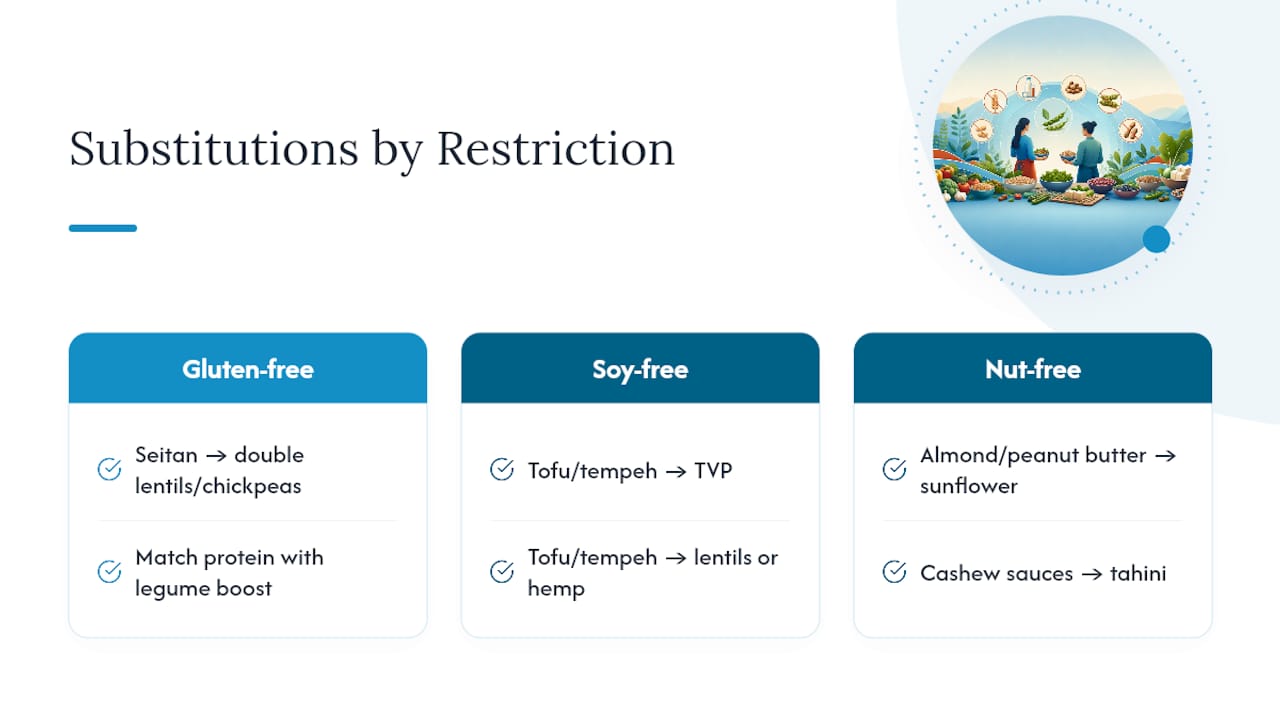
Most high-protein plant recipes lean on tofu, tempeh, or seitan, and two of those three create problems for common restrictions. Seitan is pure wheat gluten, so it’s an automatic no for anyone avoiding gluten. Tofu, tempeh, and edamame are all soy, ruling them out for soy allergies.
The fix isn’t finding a different PDF. It’s substitution math you can apply to almost any recipe. Swap seitan for a double portion of lentils or chickpeas to hit a similar protein number without the gluten. Replace tofu or tempeh with TVP, lentils, or a hemp-hearts-boosted grain bowl for soy-free versions. For nut-free adaptations, swap almond or peanut butter for sunflower seed butter and skip cashew-based sauces in favor of tahini, which is sesame-based and works in most of the same recipes.
Keep a running note of your substitutions next to the original recipe in your PDF folder. Over a few months, you’ll effectively build your own customized version of the collection without needing to search for an entirely new document every time a recipe doesn’t fit.
Kitchen Tools and Techniques That Preserve Protein Quality
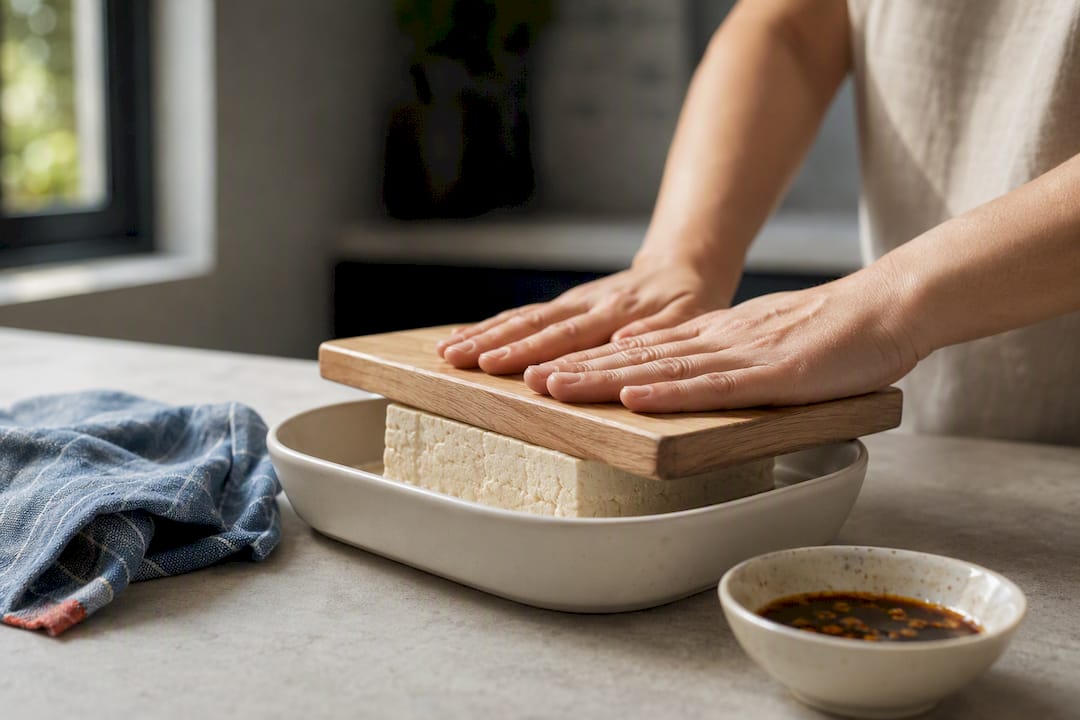
Pressing tofu properly, using a tofu press or simply weighting it under a cutting board for 20 minutes, removes excess water and lets it absorb marinade and develop a better texture without changing its protein content, but it does make the protein feel more concentrated per bite because you’re eating less water weight.
Steaming and pressure-cooking legumes tends to preserve more nutrients than prolonged boiling, since less time in water means less nutrient leaching. An Instant Pot or similar pressure cooker cuts lentil and bean cooking time dramatically while keeping texture intact for batch cooking.
Layering umami flavors, miso, nutritional yeast, soy sauce, or fermented ingredients, doesn’t affect protein content directly, but it makes high-protein plant meals genuinely satisfying rather than a chore to eat. Forks Over Knives’ guidance on umami-rich plant dishes makes the case that this flavor layering is often the difference between a meal plan someone sticks with and one they abandon by Thursday.
Don’t Forget the Rest of Your Plate
Protein is the headline metric in most of these PDFs, but a meal that’s all protein and no fiber, healthy fat, or complex carbohydrate leaves you hungry again in two hours.
Pair your protein anchors with a starch (rice, quinoa, potatoes) for sustained energy, and don’t skip healthy fats like avocado, tahini, or olive oil, which help you absorb fat-soluble nutrients from the vegetables in the same meal. Fiber matters too: legumes conveniently deliver both protein and fiber in the same bite, which is one more reason lentils and beans show up so often in high-protein plant meal plans rather than isolated protein powders.
If a PDF you’re using only lists protein and calories, consider that a gap, not a dealbreaker. Cross-reference with a broader nutrition source occasionally to make sure your week isn’t accidentally short on healthy fats or dramatically overloaded on carbohydrates from grain-heavy dinners night after night.
What Actually Matters Here (and What Doesn’t)
The research on plant-based protein is more forgiving than most meal-planning content makes it sound. You don’t need a perfectly balanced amino acid profile at every single meal. What you need is a rotation of a handful of dense anchors, tofu, lentils, tempeh, seitan, hit consistently across the week. That’s a much lower bar than most “complete guide to plant protein” articles imply.
Where conventional advice falls short is in treating the PDF itself as the finish line. A recipe collection with accurate protein counts is only useful if it’s structured so you’ll actually shop from it and cook from it more than once. Plenty of beautifully designed recipe PDFs get downloaded, admired, and never opened again because they weren’t built with a grocery list or a weekly layout in mind.
If you take one thing from this guide, prioritize documents that already did the math for you: protein per serving, a shopping list, and a plan you can print. That’s the difference between a PDF that sits in a downloads folder and one that changes what’s actually on your plate this week.
— Stephen
Why curated plant-based PDF collections save you the guesswork
Free PDFs scattered across hospital sites and food blogs are a legitimate starting point, but hunting down a dozen of them to build a full week of meals eats up an evening you probably don’t have. Some curated collections offer downloadable recipe pages with protein counts calculated per serving, a grocery list you can shop from immediately, and a meal-planning layout built for actual weekly use rather than for a single dinner.
Quality recipe collections are often tested before publication to catch errors like typos that affect protein math. Purchased files usually download instantly in PDF format, readable on phones, tablets, or laptops, letting you access recipes conveniently while grocery shopping.
If chickpeas, lentils, and tofu are becoming your weekly staples, the Chickpea Cookbook and the broader Vegan Cookbook collection are worth a look, both built around the same protein-forward, grocery-list-ready format covered throughout this guide. Browse the vegan cookbook PDF collection now and download your next week of meals in minutes, not hours.
Sources
The sources below back the protein counts, cooking guidance, and absorption tips covered throughout this guide, and several are downloadable PDFs you can pull up directly.
- Practical Plant-Based Cooking — VA Nutrition (PDF cookbook)
- Whole Food Plant-Based Recipes — MercyOne (PDF recipe booklet)